

Event Photography Tips for Beginners: Lighting, Workflow & Indoor Techniques
Introduction
You’ve just been asked to take photos of a wedding or a corporate conference. Exciting – and anxiety-inducing, too. The lights are low, people are in motion, and you want to capture every moment. Would that be the case?
When you are new to this, it can seem totally impossible to learn event photography tips for beginners. On the other hand, with the proper method, you can even get great results from your very first session. Here is a simple guide that explains everything step by step.
Key Takeaways
- For event photography, start with 1/125s shutter speed, f/2.8 aperture, and auto ISO.
- Bounce flash is the flash technique to go for when you are shooting indoors with no natural light.
- Having a clear event photography workflow prep, shoot, cull, edit, and deliver keeps you organized.
- If you are just starting learning how to photograph corporate events, staying discreet and using a telephoto lens will be a big help.
- At any event, having the right equipment and being able to anticipate are key to success.
What Is Event Photography?
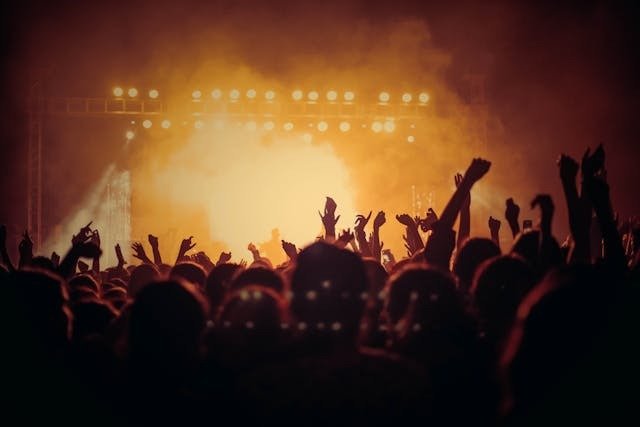
Event photography is a very broad term and, as such, it covers many different types of events – from weddings and birthday parties to corporate conferences, product launches, and even cultural celebrations. Different events usually have different rhythms and request different things, yet they all have one thing in common: to beautifully and authentically capture the moments that happen naturally, without posing.
Explore the event, wedding, and corporate photography services provided by Big Monkey Productions to understand how natural storytelling and candid moments infuse life into every event.
Essential Gear for Beginners
Which camera gear to take depends on the event and on your style and preferences. Here is a short list of the most effective, basic equipment that goes a long way:
- A camera with a sensor that performs well in dim light (for example, Sony A7 III or Canon R6).
- 24-70mm f/2.8 lens – versatile for wide group shots and tighter portraits.
- 50mm f/1.8 prime lens – cheap and excellent for shooting in low light
- Speedlight with a diffuser or bounce card.
- Extra batteries & memory cards, these are very important, forever and always.
Mastering Lighting: The Core of Event Photography Techniques
Lighting is a major source of struggle for the majority of novices. Below is an easy, basic outline for good event photography techniques:
- Shutter speed: 1/125s or faster to freeze motion
- Aperture: f/2.8 for a sharp subject with a blurred background
- ISO: Use Auto ISO, let the camera adapt, then fine-tune
When taking pictures inside a room where there is no natural light, you can bounce your flash off a white ceiling or wall. This results in a soft and flattering light which is much more natural than direct flash. You can add a diffuser if you want an even softer effect, and make sure you shoot in RAW always so that you can have complete control when editing.
If you want to know about indoor lighting setups and camera settings in more detail, you should definitely refer to a comprehensive guide to indoor photography for beginners.
Event Photography Workflow: From Prep to Delivery
A solid event photography workflow is what distinguishes an excellent photographer from a good one:
- Before: Make a list of shots that you want to take, check out the location if you can, and get a schedule confirmation.
- During: Predict the moments such as a speech, first dance, or handshake. Be quiet, and keep your camera ready.
- After: Select the best pictures at first, do your editing in Lightroom, and try to make the delivery within 48 hours.
By sticking to your workflow, you gain the client’s confidence and build your professional reputation.
Teams like Big Monkey Productions adhere to a well-defined sequence of steps from planning to delivery that enables them to maintain the quality, get results on time, and produce authentic visuals that reflect the brand identity.
How to Photograph Corporate Events
Corporate events undeniably call for a low profile. If you are figuring out how to photograph corporate events, consider the following:
- Get there ahead of time to shoot the stage being set and the speakers getting ready.
- A telephoto lens (70-200mm) will allow you to capture the audience’s candid reactions from a distance without disturbing them.
- Your top priority should be those moments that make the event: keynote speeches, handing out awards, and group pictures.
- Keep moving swiftly and don’t obstruct the view.
Businesses that want professional coverage should engage a top corporate event photographer in India who is well-versed in brand-focused storytelling.
Common Mistakes to Avoid
- Ignoring the setting (cluttered shots appear amateur).
- Over-reliance on flash flattens faces and kills atmosphere.
- Not capturing candid moments because only chasing posed shots.
- Not backing up your files on location.
Conclusion
Event photography is a field where preparation, patience, and adaptability can bring you a lot of rewards. Regardless of whether you’re photographing your first wedding or a board meeting, implementing these event photography tips for beginners will distinguish you from the very beginning.
For professional inspiration or if you want to witness expert event and wedding photography in Goa, check out Big Monkey Productions. Their portfolio, which covers different areas like events, weddings, fashion, and commercial shoots, is an excellent visual storytelling lesson.
FAQs
What are some camera settings that beginners can start with for event photography?
Initially, you can use 1/125s shutter speed, f/2.8 aperture, and auto ISO. When the room becomes darker, raise the ISO, but focus on your motion being sharp.
How can I take photos indoors without using natural light during events?
One way is to bounce your speedlight off the ceiling or walls; you can also use a diffuser and increase the ISO while shooting in RAW to get the most from editing.
What is a simple workflow for event photography?
Prepare your shot list, take photos of both candid and posed moments, select and edit in Lightroom, and send your final images back within 48 hours.
How to photograph corporate events without disrupting?
Keep a low profile, take candid pictures through a telephoto lens, and get the main scenes-both the speaker and the group photos- quickly.
What gear do I need for event photography techniques indoors ?
Among the equipment you’ll need are a speedy single-purpose lens (50mm f/1.8), a flash with a diffuser, spare batteries, and an ample amount of memory cards.