

Wedding Photography for Beginners: Complete Guide With Tips, Checklist, Workflow & Common Mistakes
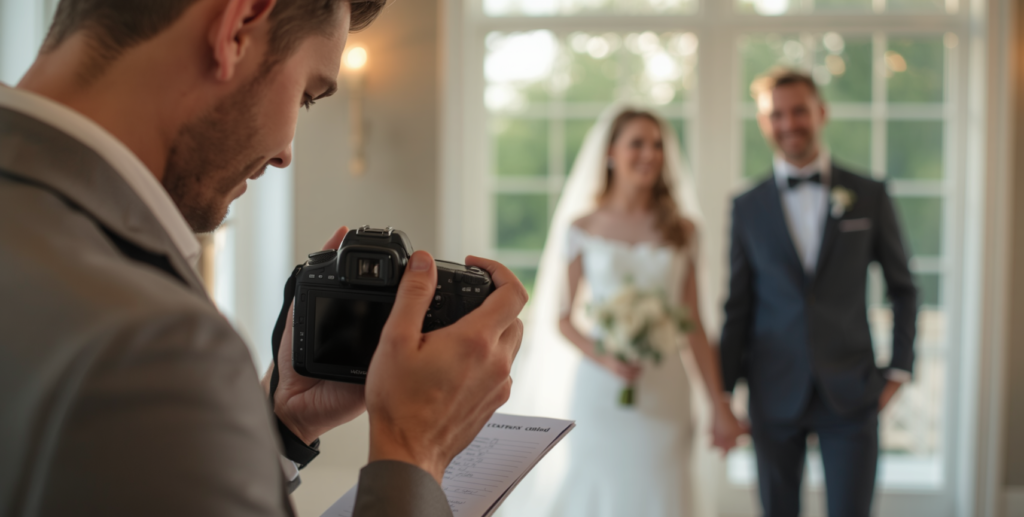
Introduction
When you’re beginning your first wedding photo shoot, it can feel a lot like being at the altar! Your heart may race, palms may sweat, and there are likely many thoughts running through your mind. Whether you are getting your first wedding photography job as a new photographer, or as the bride/groom trying to understand what goes into the wedding photography on their wedding day, this will serve as a good starting point.
Capturing moments at weddings isn’t just about taking pictures with a camera. Capturing wedding portraits at weddings also involves being able to read the environment, prepare yourself to capture emotion and then create pictures that last a lifetime within a short time period. Good news — with lots of practice and preparation, even a beginner can create beautiful pictures of his/her wedding day that can be exhibited as works of art in an art gallery!
What is Wedding Photography?
Wedding photographers aim to document both the entire day in photographic form and tell the couple’s entire love story. Wedding photographers combine photo-journalistic style, traditional portraiture and creative directing styles to create one seamless flow of images.
Before you start shooting weddings, it is important to understand what can be expected of a wedding photographer. A wedding photographer must be able to:
- Capture both candid and posed images in several places (ceremony, reception, etc.)
- Control the light in any situation (inside, outside, etc.)
- Provide a complete set of cohesive images that have an emotional connection to each other
- Communicate professionally with bride & groom, their families and all vendors involved in the wedding
A wedding photographer should think of himself/herself as a visual storyteller; every photo must add to the overall “story” of the couple’s love.
Essential Wedding Photography Tips for Beginners
The following tips would help you capture great wedding photographs if you’re new to the field of wedding photography:
It is important to visit your wedding venue for both the ceremony and reception before the big day to see how the natural light falls at various times of day, potential backdrops for photography and any low-light challenges that may present themselves.
- Understand your Camera Settings
Be sure to shoot in RAW, learn to shoot in Aperture Priority mode, and be proficient in adjusting your camera’s ISO setting in low- light situations. Your confidence in your equipment is very important while at a live event.
- Create a Shot List
Planning a shot list with the couple will help you keep organized and ensure you get every shot they want by having the list with you on the wedding day, including family portraits, key moments from the ceremony and any detail shots the couple wants.
- Communicate Clearly
You should communicate with the couple and their families about your timeline for taking portraits so they know what to expect, which will lessen the possibility of confusion during such a limited time frame after the ceremony ends.
- Be Prepared for Equipment Failures
Pack a back-up camera body, extra batteries and plenty of extra memory cards because a failure of a single piece of equipment could prevent a once-in-a-lifetime shot from ever being captured.
Must-Have Wedding Photography Equipment
You don’t have to get the highest-priced camera equipment for the purpose of photographing weddings, but you do require reliable camera gear. The following should be considered in your wedding photography setup:
- Double camera bodies (either of both types: mirrorless or digital)
- Fast 35mm or 50mm prime lens for taking candid photographs
- Either a 70-200mm zoom lens or an 85mm fixed focal length lens for taking portrait photographs or for use as part of your ceremony photo coverage
- External flash with diffuser attachment for indoor reception photography coverage
- At least four to six memory cards and spare batteries
- Sturdy camera bag containing rapid access pockets
Purchase high-quality’s lenses before upgrading the body (camera) – as they generally last longer than bodies and will produce better image quality!
Complete Wedding Photography Checklist
Utilize this “wedding photography checklist” to remain organized from the initial consultation to when you deliver your final photographs:
Before Wedding:
- Sign contract
- Engagement shoots used to develop working relationships with couples
- Scout the venue/locations to see where best photographs can be taken.
- Confirm wedding date/timeline with couples or planners.
- Prepare and test all equipment.
On the Wedding Day:
- Arrive ahead of time so that you can capture ‘getting ready’ photographs.
- Photograph detail shots such as the wedding rings, wedding dress, flowers, and invitations.
- Document the ceremony from an unobtrusive distance to ensure no disruption to the officiant and/or ceremony.
- Capture candid photographs of guests during cocktail hour.
- Shoot golden hour portraits as time allows.
- Complete coverage of speeches, the first dance, and the cake cutting at the reception.
After the Wedding:
- Immediately backup all files to two separate locations.
- Select/cull images before editing to narrow down to only the best images.
- Deliver the final product (color-corrected, polished photo gallery) within the agreed-upon timeline.
Wedding Photography Workflow Explained
An organized wedding photography workflow serves both your client’s needs (efficiency) and yours (satisfied clients). Here’s an overview of the steps we follow:
- Initial Client Contact & Meeting – Gather information from the couple about their vision, style and budget.
- Contract and Honest Booking – Develop a clear contract and ask for a deposit in order to solidify the relationship with the couple.
- Pre-Wedding Prep – Create shot lists, scout out the location(s), confirm logistics.
- Wedding Day Shoot – Work hard, be flexible and document all aspects of the day.
- Image Backup – When the wedding is complete, immediately transfer and back-up all images from that day.
- Culling and Editing – Select the best images and apply consistent editing style.
- Delivering Gallery – Post the final gallery to an on-line, professional gallery site for client’s access.
- After Delivering – Ask for a review, and store client’s records for future reference.
By having a solid wedding photography workflow established, you can ensure minimal stress on the day of the wedding, and also build a reputation for being dependable.
Common Wedding Photography Mistakes to Avoid
Many novice photographers may make some common wedding photography mistakes when shooting weddings. In this piece, we’ll cover some of the most common wedding photography mistakes and provide tips for avoiding them:
- Not having a backup plan: Be sure to pack backup gear and know the emergency/emergency power system of the location you are working at.
- Missing the shot list: If the finisher fails to capture images Portraits of Key clients may be very upset.
- Over-relying on posed shots: Include both formal portraits as well as Candid/Documentary-style snapshots.
- Ignoring the light: Shooting into the harsh afternoon sun without any kind of diffusion is going to produce an unflattering image.
- Underestimating editing time: At least 2-3 hours of editing should be taken into account for every hour of pictures taken.
- Poor communication: If you do not inform Family/Portrayer of the time for taking family portraits, the family will not be prepared to have their picture taken, which results in disorganization in shooting.
- Delivering too many images: A curated gallery of 400+ images is worth 800 “so-so” images.
Pro Tips to Improve Your Wedding Photography Skills
Want to take your photography to the next level? These helpful hints will distinguish between a good photographer and a great photographer:
- Studies the work of photographers you admire (reviewing both their compositions and lighting)
- Second shoot for an experienced wedding photographer before attempting to shoot your own weddings.
- Practice portrait lighting on friends and family prior to your first wedding.
- Develop a recognizable editing style that is consistent throughout your portfolio so clients can identify it.
- Learn to anticipate emotional moments (grandmother crying, father beaming with pride) — these are usually the images the couples will cherish the most.
- Develop relationships with wedding planners/venue/fresh-flowers so ensuring continued referrals.
Exceptional photographers have an ongoing desire to learn new things. Sign up for workshops, purchase online classes(when available), and seek constructive critiquing from other photographers
Why Choose Professional Guidance from Big Monkey Productions
Big Monkey Productions embodies the distinction of documenting a wedding through visual representation while simultaneously telling the actual story. This is where Big Monkey Productions differs from the others!
Big Monkey Productions is a wedding & lifestyle photography firm with over seven (7) years of experience capturing weddings and lifestyles throughout Goa. Each shoot utilizes an expert creative vision, established professionalism, and the authenticity of a Goa-based storytelling style. From small intimate beach weddings to large traditional wedding ceremonies, their team understands how to remain unobtrusive while still capturing all the important moments that happen at an event.
Big Monkey Productions captures images for many different types of clientele including events, brand shoots, weddings and lifestyle photography. Their clients receive more than just beautiful images; they get a visual heirloom of one of the most significant days of their lives.
If you are just getting started in wedding photography, having the opportunity to learn from working photographers with real-life experience can greatly shorten your learning curve, and improve the quality of your work immediately.
Conclusion
As a beginner wedding photographer, beginning your journey to becoming this type of photographer can be both exciting and rewarding. Wedding photographers require not only technical skills but also emotional intelligence and great preparation, all of which contribute to amazing moments captured during weddings.
You would want to have the right equipment for weddings as well as learning how to efficiently and effectively manage your workflow while avoiding common mistakes. Additionally, you should always be open to continued education. If you are completing your very first wedding this month, or are currently helping a couple select the right photographer for their wedding, this article will help provide you with the building blocks necessary to make informed and confident decisions.
FAQs
What is wedding photography for beginners?
As an aspiring wedding photographer, you must learn some basic concepts, techniques, and preparations to go about documenting a wedding day the right way. You will learn to understand your camera settings, create a shot list, organize your timing during the marriage day (the timeline of what happens when), and deliver a finished portfolio of the wedding photographs to your couple.
What are the best wedding photography tips for beginners?
Some of the best tips for new wedding photojournalists include scoping out the location ahead of time, knowing how to use your camera (especially shooting in RAW format and how to do low-light photography), building a detailed shot list with the couple, having a second set of equipment with you at all times (in case of equipment failure), and clearly communicating to everyone who is a part of the wedding day.
What is the ideal wedding photography workflow?
The best workflow for wedding photography includes initial client consultation, contract signing and booking, pre-wedding preparations, shooting the day, backing up files immediately, culling and editing images, delivering a professional gallery of images, and following up with the client after the project is finished. Following a specific workflow allows the photographer to be able to provide consistent products to their clients while providing reliable service.